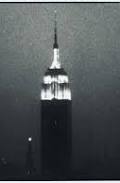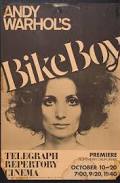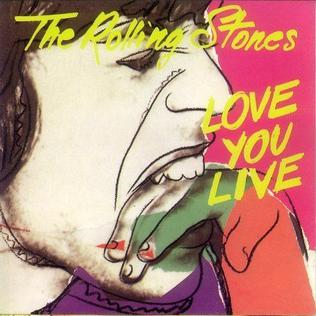
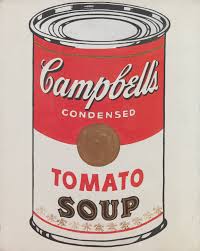
Andy Warhol was an American artist, director and producer who was a leading figure in the visual art movement known as pop art. His works explore the relationship between artistic expression, celebrity culture, and advertising that flourished by the 1960s, and span a variety of media, including painting, silkscreening, photography, film, and sculpture. Some of his best known works include the silkscreen paintings Campbell's Soup Cans (1962) and Marilyn Diptych (1962), the experimental film Chelsea Girls (1966), and the multimedia events known as the Exploding Plastic Inevitable (1966–67).

early life

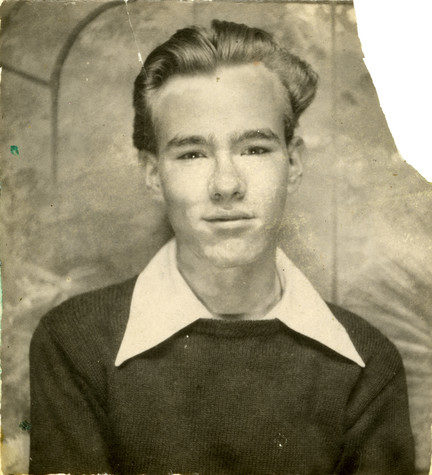
Warhol was born on August 6, 1928, in Pittsburgh, Pennsylvania. He was the fourth child of Ondrej Warhola (Americanized as Andrew Warhola, Sr., 1889–1942) and Julia (née Zavacká, 1892–1972), whose first child was born in their homeland and died before their move to the U.S.
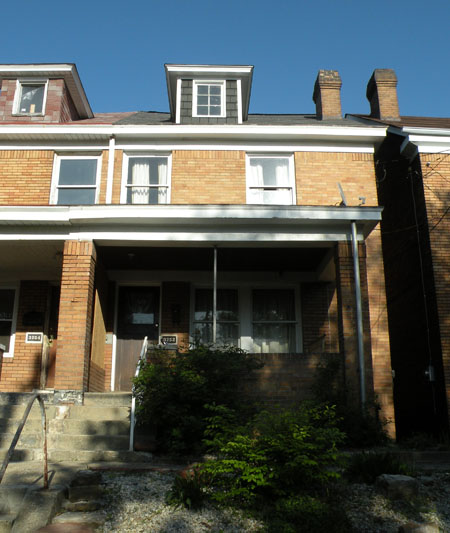
His parents were working-class Lemko emigrants from Mikó, Austria-Hungary (now called Miková, located in today's northeastern Slovakia). Warhol's father emigrated to the United States in 1914, and his mother joined him in 1921, after the death of Warhol's grandparents. Warhol's father worked in a coal mine. The family lived at 55 Beelen Street and later at 3252 Dawson Street in the Oakland neighborhood of Pittsburgh.
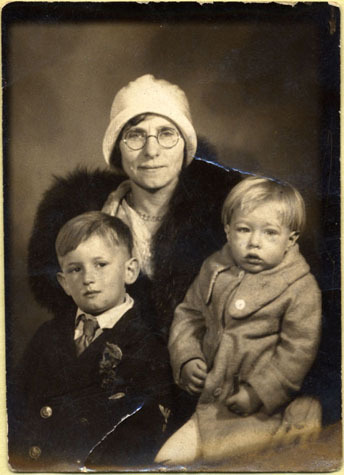
In third grade, Warhol had Sydenham's chorea (also known as St. Vitus' Dance), the nervous system disease that causes involuntary movements of the extremities, which is believed to be a complication of scarlet fever which causes skin pigmentation blotchiness. At times when he was confined to bed, he drew, listened to the radio and collected pictures of movie stars around his bed. Warhol later described this period as very important in the development of his personality, skill-set and preferences.
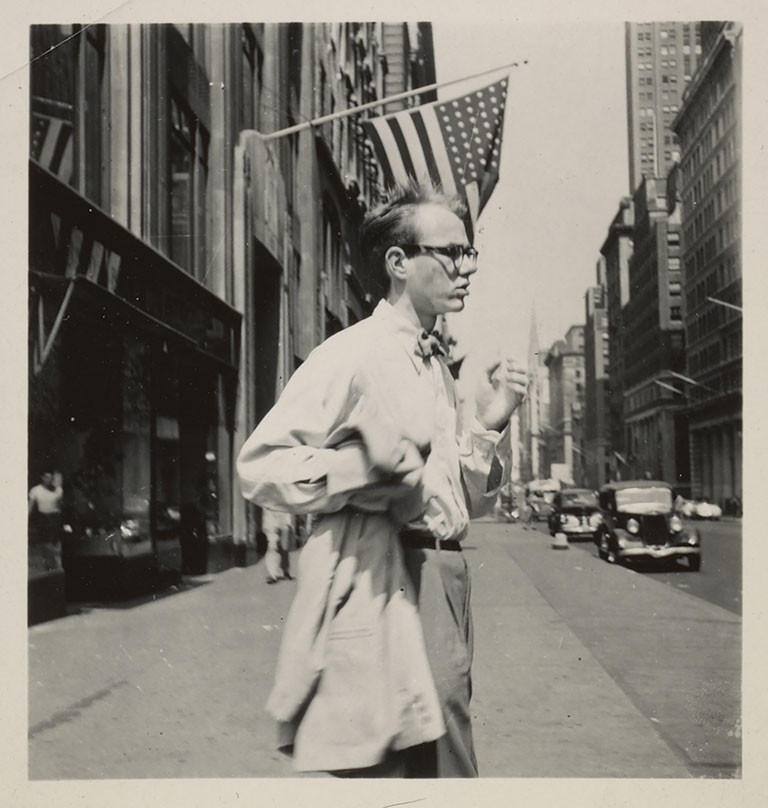
As a teenager, Warhol graduated from Schenley High School in 1945. After graduating from high school, his intentions were to study art education at the University of Pittsburgh in the hope of becoming an art teacher, but his plans changed and he enrolled in the Carnegie Institute of Technology, now Carnegie Mellon University in Pittsburgh, where he studied commercial art. Warhol earned a Bachelor of Fine Arts in pictorial design in 1949.
art career

Warhol began exhibiting his work during the 1950s. He held exhibitions at the Hugo Gallery and the Bodley Gallery in New York City; in California, his first West Coast gallery exhibition was on July 9, 1962, in the Ferus Gallery of Los Angeles with Campbell's Soup Cans. The exhibition marked his West Coast debut of pop art. Andy Warhol's first New York solo pop art exhibition was hosted at Eleanor Ward's Stable Gallery November 6–24, 1962. The exhibit included the works Marilyn Diptych, 100 Soup Cans, 100 Coke Bottles, and 100 Dollar Bills. At the Stable Gallery exhibit, the artist met for the first time poet John Giorno who would star in Warhol's first film, Sleep, in 1963. It was during the 1960s that Warhol began to make paintings of iconic American objects such as dollar bills, mushroom clouds, electric chairs, Campbell's Soup Cans, Coca-Cola bottles, celebrities such as Marilyn Monroe, Elvis Presley, Marlon Brando, Troy Donahue, Muhammad Ali, and Elizabeth Taylor, as well as newspaper headlines or photographs of police dogs attacking African-American protesters during the Birmingham campaign in the civil rights movement. During these years, he founded his studio, "The Factory" and gathered about him a wide range of artists, writers, musicians, and underground celebrities. His work became popular and controversial. New York City's Museum of Modern Art hosted a Symposium on pop art in December 1962 during which artists such as Warhol were attacked for "capitulating" to consumerism. Critics were scandalized by Warhol's open embrace of market culture. This symposium set the tone for Warhol's reception.

works

paintings

films

music

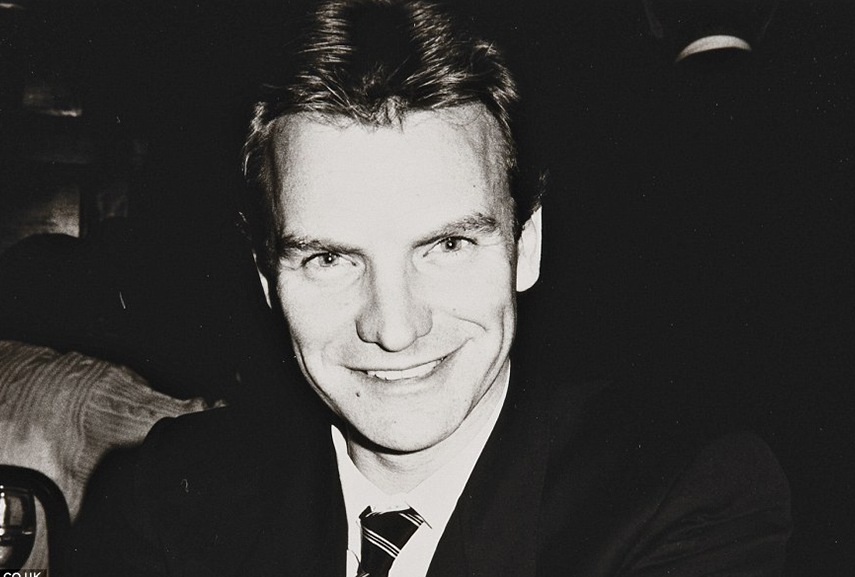
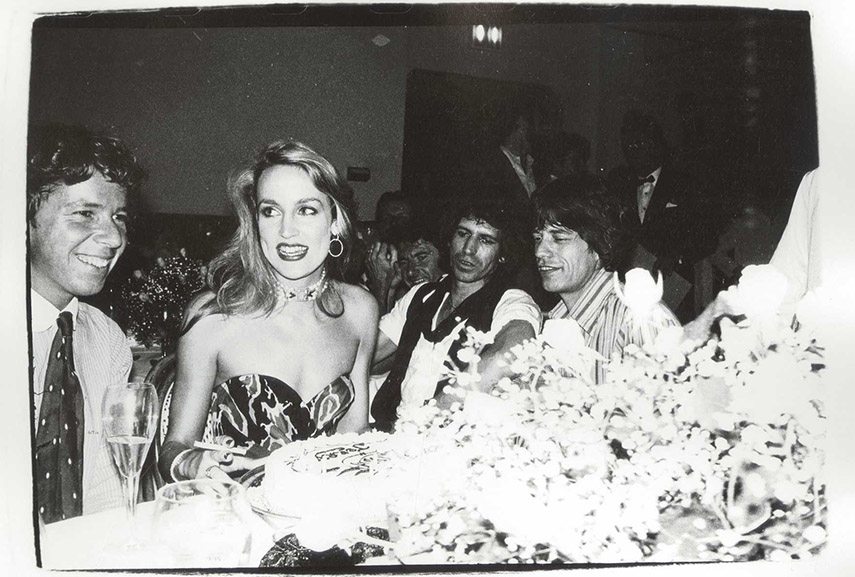
photography

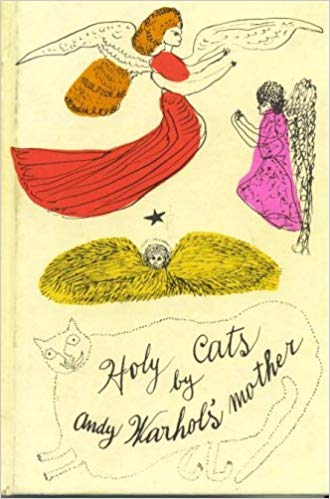
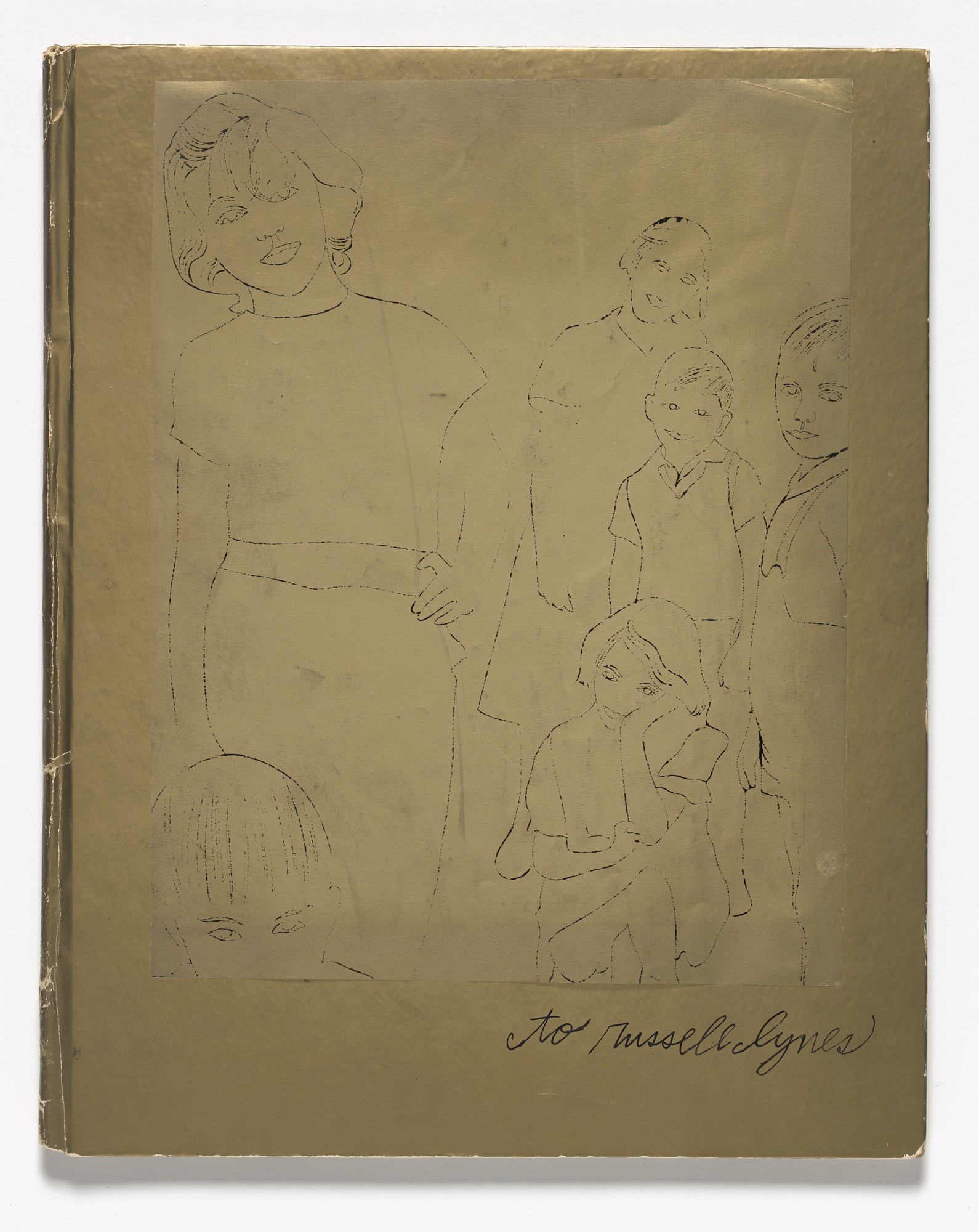
books

Campbell's Soup I (1968)
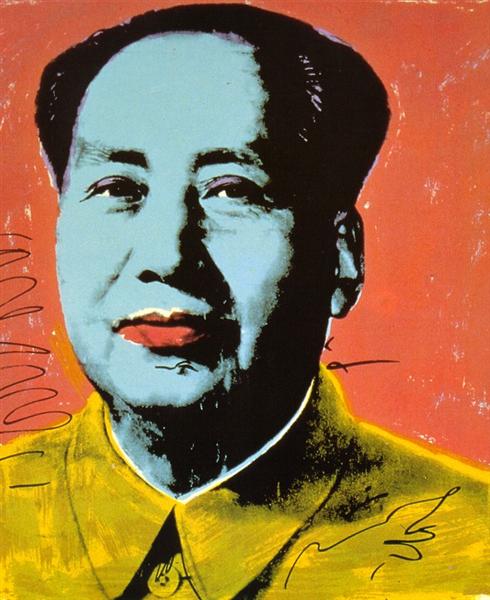
Mao (1972)
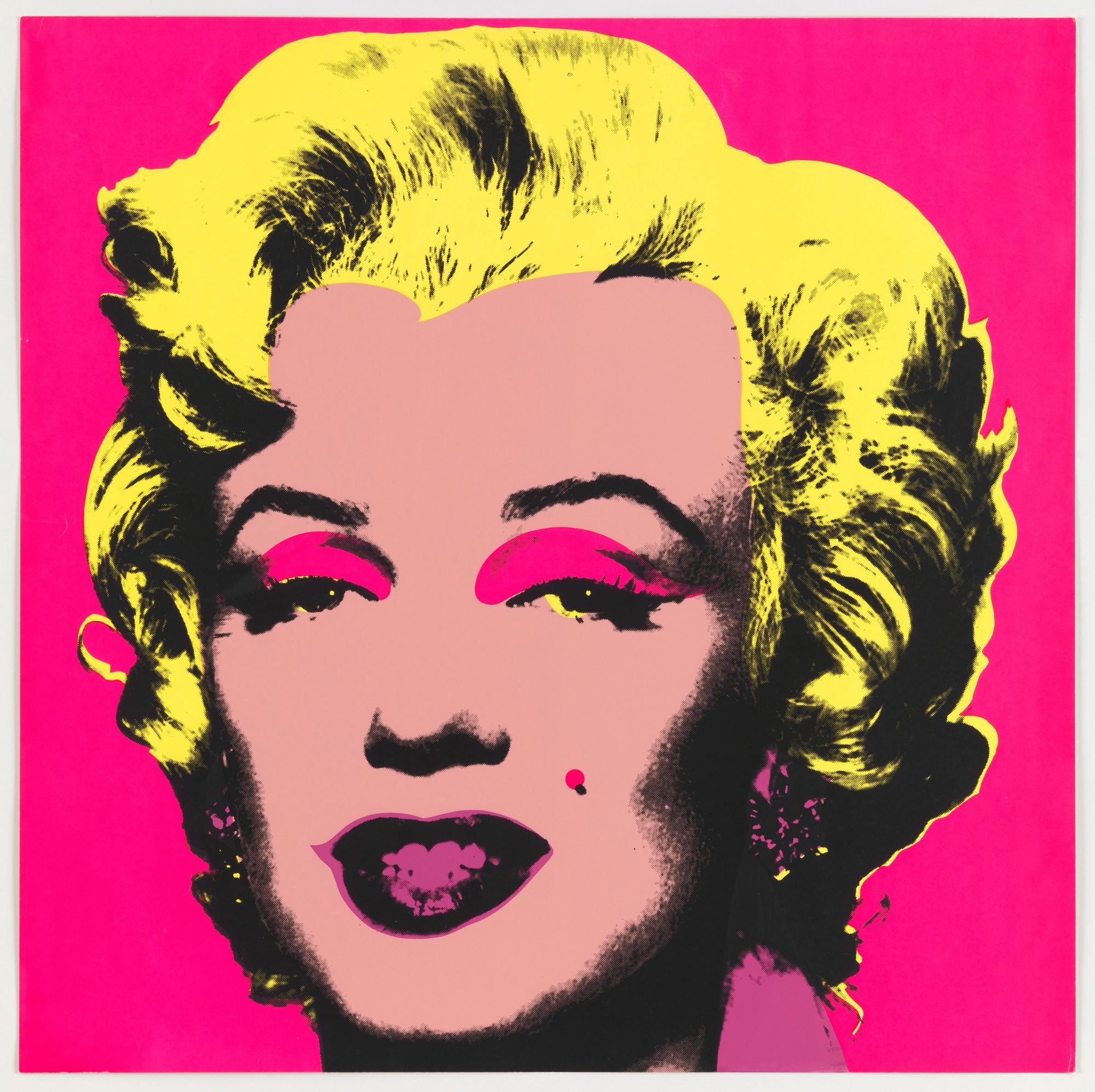
Marilyn Monroe (1967)
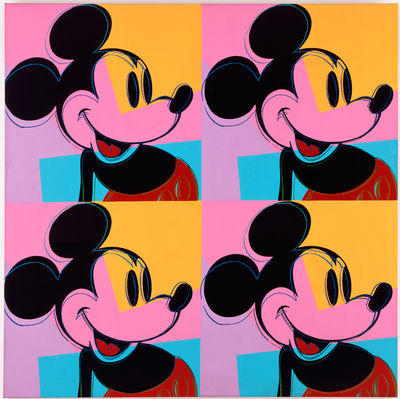
Mickey Mouse (1981)

personal life

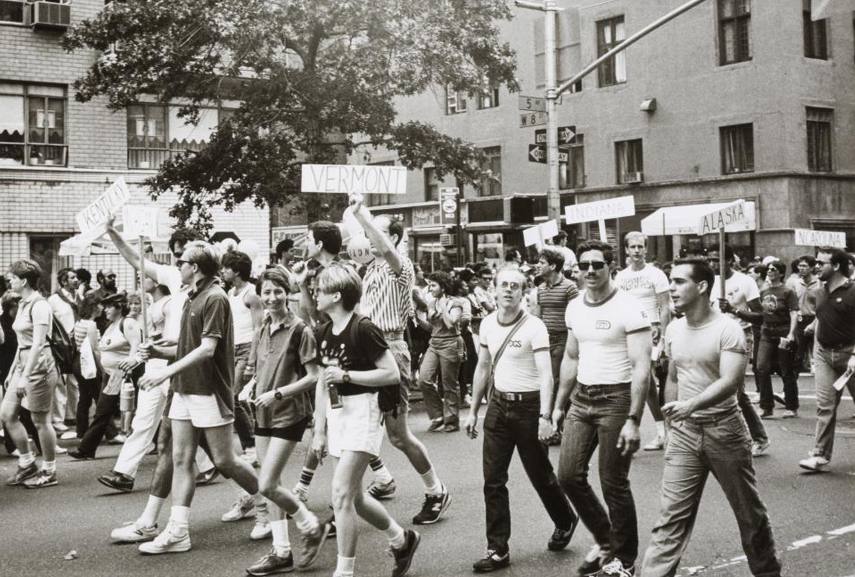
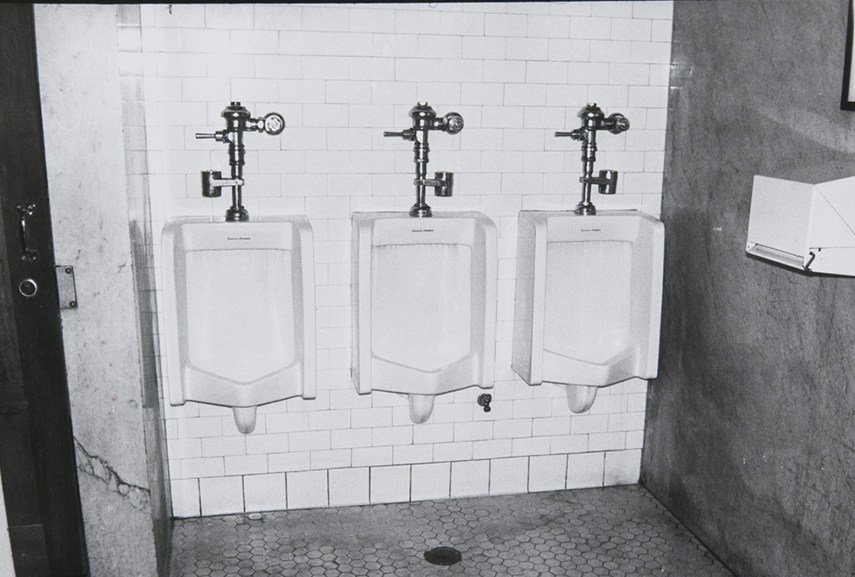
The fact that Warhol's homosexuality influenced his work and shaped his relationship to the art world is a major subject of scholarship on the artist and is an issue that Warhol himself addressed in interviews, in conversation with his contemporaries, and in his publications (e.g., Popism: The Warhol 1960s). Throughout his career, Warhol produced erotic photography and drawings of male nudes. Many of his most famous works (portraits of Liza Minnelli, Judy Garland, and Elizabeth Taylor, and films such as Blow Job, My Hustler and Lonesome Cowboys) draw from gay underground culture or openly explore the complexity of sexuality and desire. As has been addressed by a range of scholars, many of his films premiered in gay porn theaters, including the New Andy Warhol Garrick Theatre and 55th Street Playhouse, in the late 1960s. The first works that Warhol submitted to a fine art gallery, homoerotic drawings of male nudes, were rejected for being too openly gay. In Popism, furthermore, the artist recalls a conversation with the film maker Emile de Antonio about the difficulty Warhol had being accepted socially by the then-more-famous (but closeted) gay artists Jasper Johns and Robert Rauschenberg. De Antonio explained that Warhol was "too swish and that upsets them." In response to this, Warhol writes, "There was nothing I could say to that. It was all too true. So I decided I just wasn't going to care, because those were all the things that I didn't want to change anyway, that I didn't think I 'should' want to change ... Other people could change their attitudes but not me". In exploring Warhol's biography, many turn to this period—the late 1950s and early 1960s—as a key moment in the development of his persona. Some have suggested that his frequent refusal to comment on his work, to speak about himself (confining himself in interviews to responses like "Um, no" and "Um, yes", and often allowing others to speak for him)—and even the evolution of his pop style—can be traced to the years when Warhol was first dismissed by the inner circles of the New York art world.